
What is a landing page? How it differs from a regular website
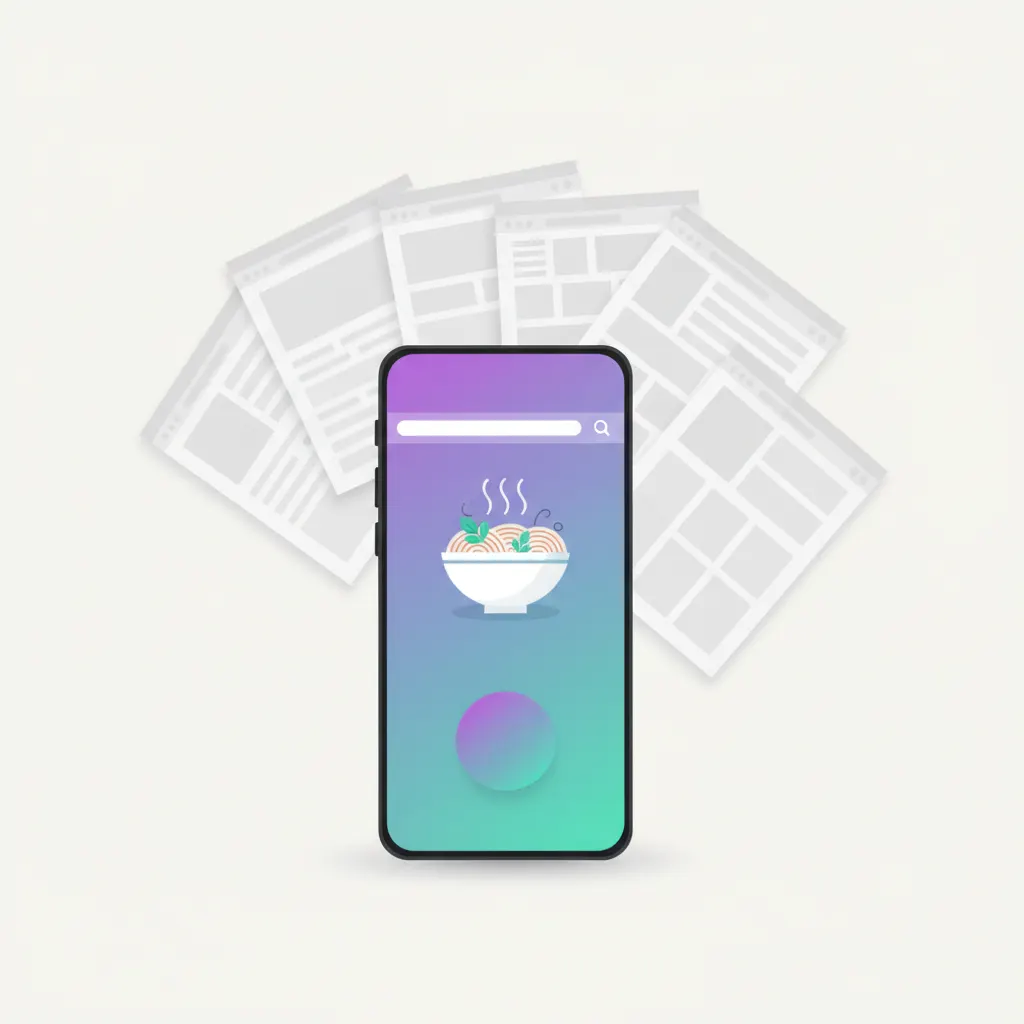
Restaurant owners ask me the same question all the time: “How much for a website?” A few questions later it usually turns out they don’t need a ten-page website at all — just one page where customers can see the dish, the price, and a button to call. That page is a landing page. Here’s what it is, how it differs from a regular website, and how to avoid paying for something you don’t need yet.
What is a landing page, in plain words?
A landing page is a single web page built so visitors do exactly one thing: call, message on Zalo, book a table, or reserve a room. The name comes from “landing” — someone taps your ad on Facebook or your link on Google and lands straight on this page, reads it top to bottom, with no menu to wander off through.
Picture a pho restaurant. The page opens on a steaming bowl, a headline like “Beef pho from broth simmered 12 hours — 45,000 VND a bowl”, and a “Call to book” button right below. Scroll down and you get the address, opening hours, a few lines from regulars, then the call button again. That’s it. No “News” section, no “Vision & Mission”, nothing pulling the visitor away from the bowl of pho.
In everyday terms, a landing page is like a flyer handed to someone on the street: it says one thing and asks for one action. A regular website is more like a thick catalogue — complete, but few people flip through all of it.
One page, one goal — by the end, the visitor knows exactly what to tap.
How is a regular website different?
A regular website is a cluster of pages: home, about, products, news, careers, contact… Think of it as your company’s headquarters — anyone can walk in, and everyone looks for something different. Its strength is holding lots of information and giving your brand a long-term home. Its weakness is scatter: visitors land on the homepage, click around a bit, and leave without doing the one thing you care about — contacting you.
I once met a five-room sea-view homestay with a full website: About, News, Photo Gallery, even an “Our Team” page. It looked impressive, but the numbers showed nine out of ten visitors skimmed the homepage and left. Meanwhile the guest really needed just three things: room photos, the nightly rate, and a Zalo button to hold a room.
Quick comparison: landing page vs regular website
- Number of pages: a landing page is one long page you scroll to the end. A website runs 5–20 pages with a navigation menu.
- Goal: a landing page pours everything into one action — call, Zalo, book. A website serves several purposes at once: introduce, publish, recruit.
- Cost: a landing page is far cheaper — often a third to half the price of a website, simply because there are fewer pages and less copy to write.
- Build time: a landing page can be live in days. A website takes weeks — and the slowest part is usually waiting for you to write content for every page.
- Measuring results: a landing page tells you today how many people came and how many tapped the button. With many pages and paths, figuring out which website page brings customers takes real analysis.
None of this makes a regular website bad. It’s a different tool for a different job — the point is picking the right one at the right time.
When to use which?
Pick a landing page when you sell one flagship thing and need contacts fast. A restaurant with a signature dish where guests should see the menu and call. A homestay where guests browse room photos, check the price, and message on Zalo. A spa pushing a seasonal skincare package, with ads leading straight to that page. The common thread: a small budget and the need for customers soon.
Pick a regular website when you genuinely have a lot to show: several distinct product lines, regular articles to slowly climb Google, or a company that needs a proper profile so partners who search your name find everything in one place.
The two don’t exclude each other. The path I find most sensible for a small business: start with a landing page that brings in customers, and grow into a full website once revenue is flowing. Doing it the other way around — sinking money into a ten-page website nobody reads — is the real waste.